
Página
Topic 1.4 - Agile and Waterfall
Relación entre Agile y Waterfall
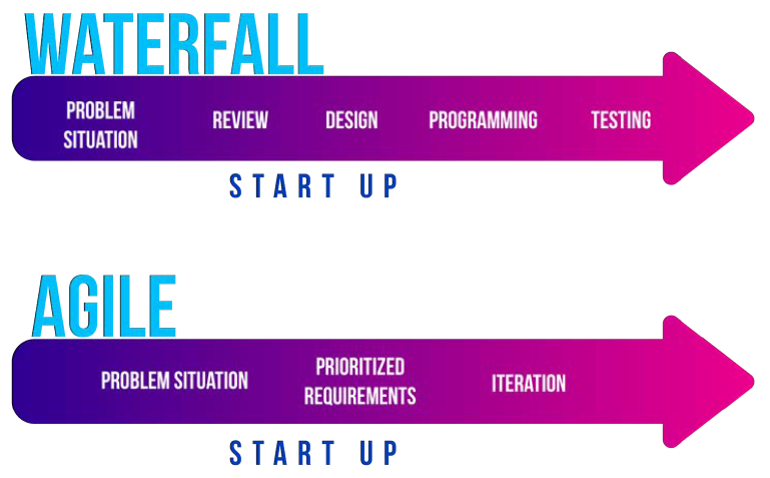

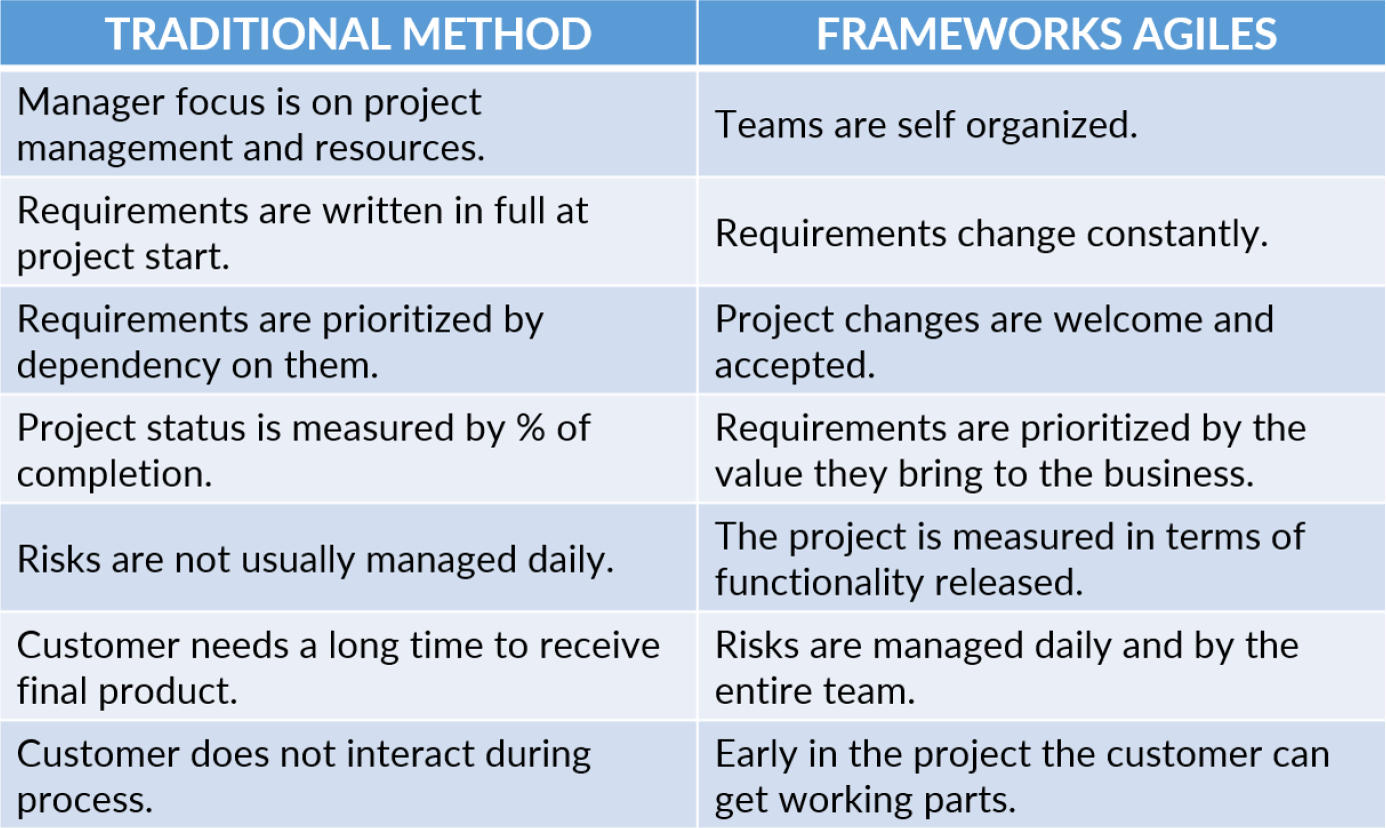

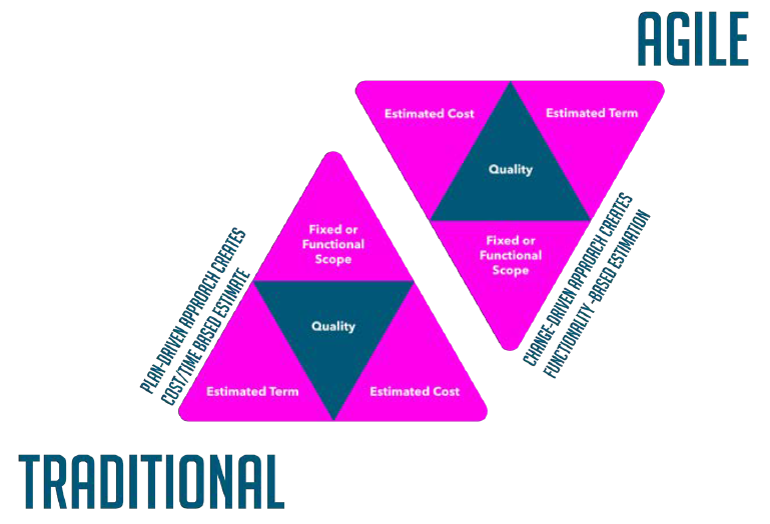
Agile vs Waterfall
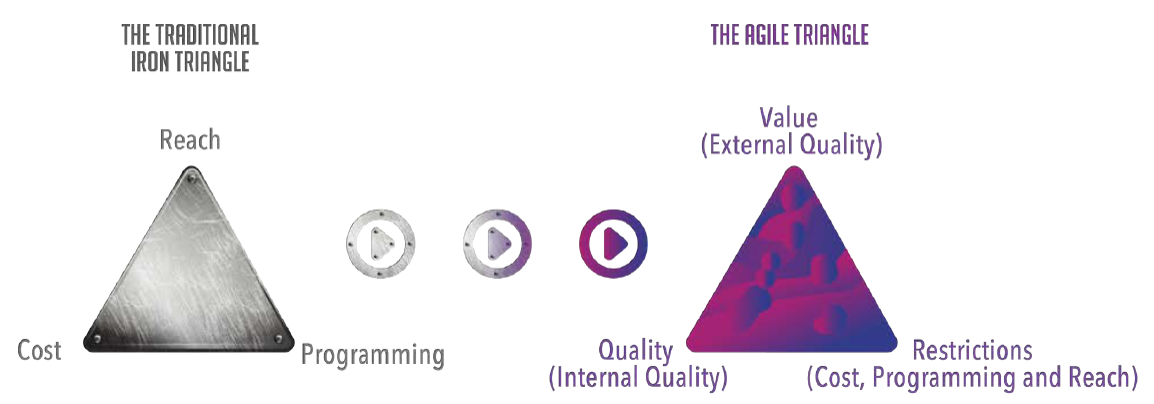
Differences and Similarities
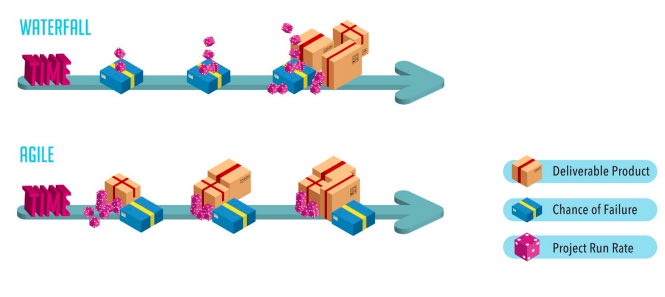
Differences in Agile vs Waterfall Thinking Process
Projects are made by and for people, so the correct application of any framework depends to a large extent on how these people think and reason, which is based on how they have been formally and informally educated to work.
“Waterfall” or predictive frames are mainly based in defining the requirements or needs of the clients from the beginning to be able to estimate everything necessary to cover these needs, from human, financial and technology resources, to the possible risks that may occur during the execution of a project. Realistically, everything must be ready to start a project.
However, the constant, uncertain and volatile changes of the market, society, customers and technology make the predictability little assertive since something is certain today may not exist tomorrow or worse yet it may no longer be the client’s interest.
It is because of this and many other factors that Agile frameworks such as Scrum, Kanban, XP and even Lean are getting more importance. Their first characteristic is the adaptability based on the value for the client, helping the client through collaboration and integration to define their requirements and needs little by little allowing them to validate in short periods of time and partially if their needs correspond to the expected value and by active feedback about tangible and functional deliveries,
adjusting the characteristics of the product or service until the desired value is achieved, adapting to the constant changes in the market. Although one of the biggest challenges to be Agile is to help people to change their way of thinking, paradigms, and teachings, today many people believe that Agile is like a “Quick Waterfall” cutting time and resources with very poor foundations achieving big failures, this is why the Agile Coach must make a personal mindset change to help other people in this transition.
Última modificación: miércoles, 6 de abril de 2022, 13:21