
Página
Topic 1.4 - Agile & Scrum
¿What is Agility?
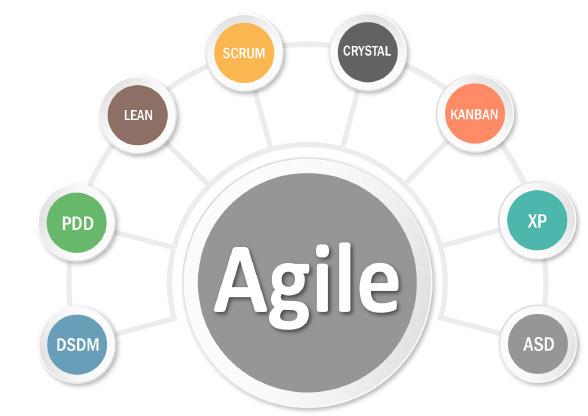
"Agility is the ability to create and respond to change in order to make gains in a turbulent business environment."
"Agility is the ability to balance flexibility and stability."
Agile
A project management approach based on delivering requirements iteratively and incrementally throughout the life cycle.
Agile development
An umbrella term specifically for iterative software development methodologies.
Popular methods include Scrum, Lean, DSDM and eXtreme Programming (XP).
Source: https://www.apm.org.uk/resources/find-a-resource/agile-project-management/glossary/

¿How should we see Agility?
In any type of management discipline, being agile is a quality, therefore, this should be a goal that should be achieved.
Agile project management especially implies adaptability during the creation of a product, service, or any other result.
Business Agility
Business Agility is an organization's ability to detect internally or externally changes and respond accordingly to deliver value to its customers.
Business agility is not a specific methodology or even a general framework. It is a description of how an organization operates by incorporating a specific type of growth mindset that is very similar to the agile mindset.
Business agility is appropriate for any organization facing uncertainty and rapid change.
Business agility adds values to:
Principles that serve the foundation of business agility include iterating to learn and reflect about feedback and adapt both the product and the process.
Source: https://www.agilealliance.org/glossary/business-agility

¿Why Agile Methodologies?
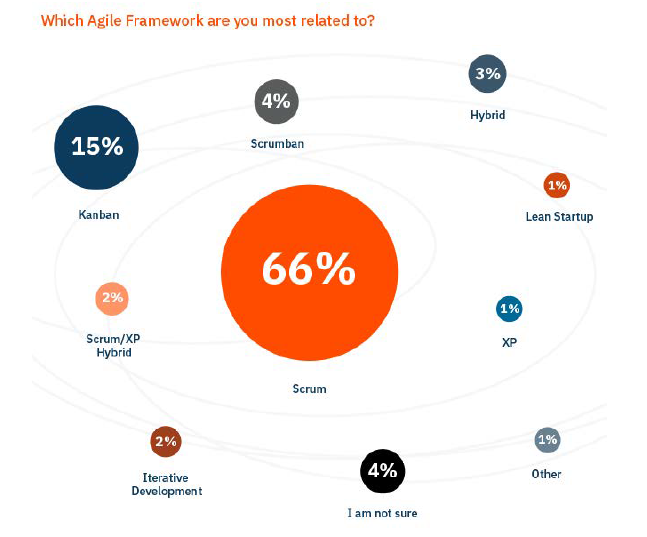
70% of the companies surveyed are currently in an Agile transformation process
Accelerate delivery of products or services (64%), improve business and IT alignment (54%) and improve software quality (40%), rank as the top three reasons to adopt Agile in the team or organization of respondents
Source: Agile Adoption Report 2020
https://agileadoptionreport.com/

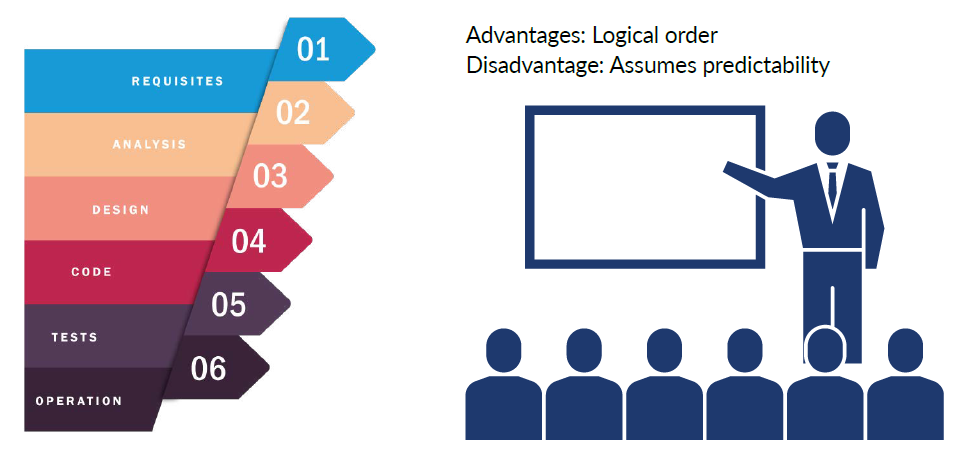
Traditional Project Management
Advantages: Logical order
Disadvantage: Assumes predictability
¿What is Scrum?
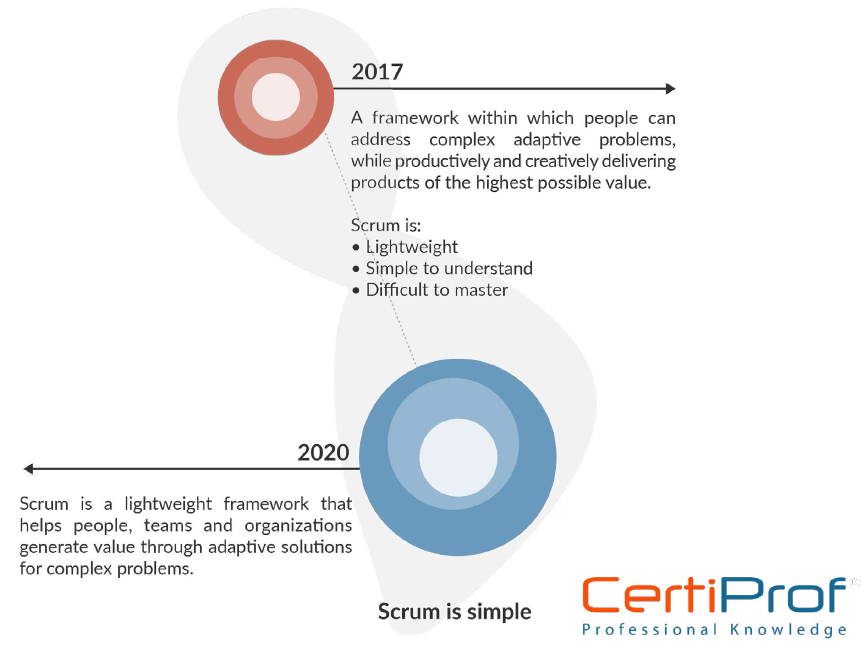
Scrum is a fast, flexible and effective iterative and incremental adaptive framework designed to deliver significant value quickly across the project.
Scrum is:
● Lightweight.
● Easy to understand.
● Extremely difficult to master.
Definition of Scrum in Time
Uses of Scrum
● Scrum was initially developed to manage and develop products
● It was developed in the early 1990s
Scrum is being adopted by different industries in several business models
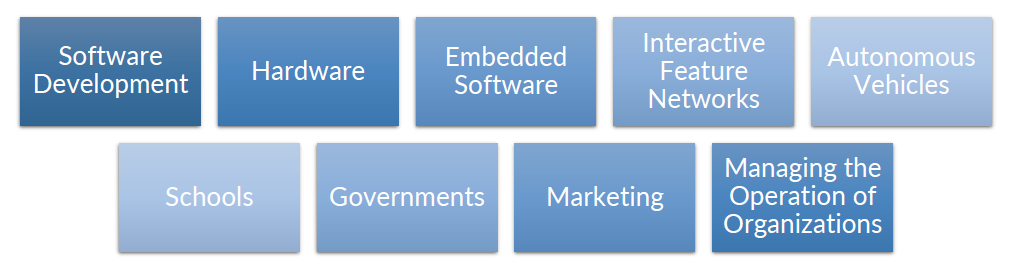
Scrum proved especially effective in iterative and incremental knowledge transfer. Scrum is now widely used for products, services, and management of the parent organization.
Definition of Scrum in the Guide (2020)
Scrum requires a Scrum Master to foster an environment where:
● A Product Owner sorts the work of a complex problem in a Product Backlog
● The Scrum Team converts a job selection into a Value Increment during a Sprint
● The Scrum Team and its stakeholders inspect the results and adapt for the next Sprint
● Repeat
Try it as is and determine if your philosophy, theory, and structure help you achieve goals and create value.
The Scrum framework is purposefully incomplete, only defining the parts required to implement Scrum theory.
Various processes, techniques and methods can be employed within the framework.
Scrum wraps around existing practices or renders them unnecessary.
Scrum makes visible the relative efficacy of current management, environment, and work techniques, so that improvements can be made.
● Scrum is free
● The Scrum framework is immutable
● While implementing only parts of Scrum is possible, the result is not Scrum
● Scrum exists only in its entirety and functions well as a container for other techniques, methodologies, and practices
About Scrum
The Scrum definition can be found in The Scrum Guide.
Changing the core design or ideas of Scrum, leaving out elements, or not following the rules of Scrum, covers up problems and limits the benefits of Scrum, potentially even rendering it useless.
As Scrum is being used, patterns, processes, and insights that fit the Scrum framework as described in this document, may be found, applied and devised.
Scrum Patterns
They provide guidance to Scrum Masters and professionals on where to focus to get the most value from improvements, but do not provide an instruction manual to continue without thinking.
Jim Coplien, co-author of Organizational Patterns of Agile Software Development
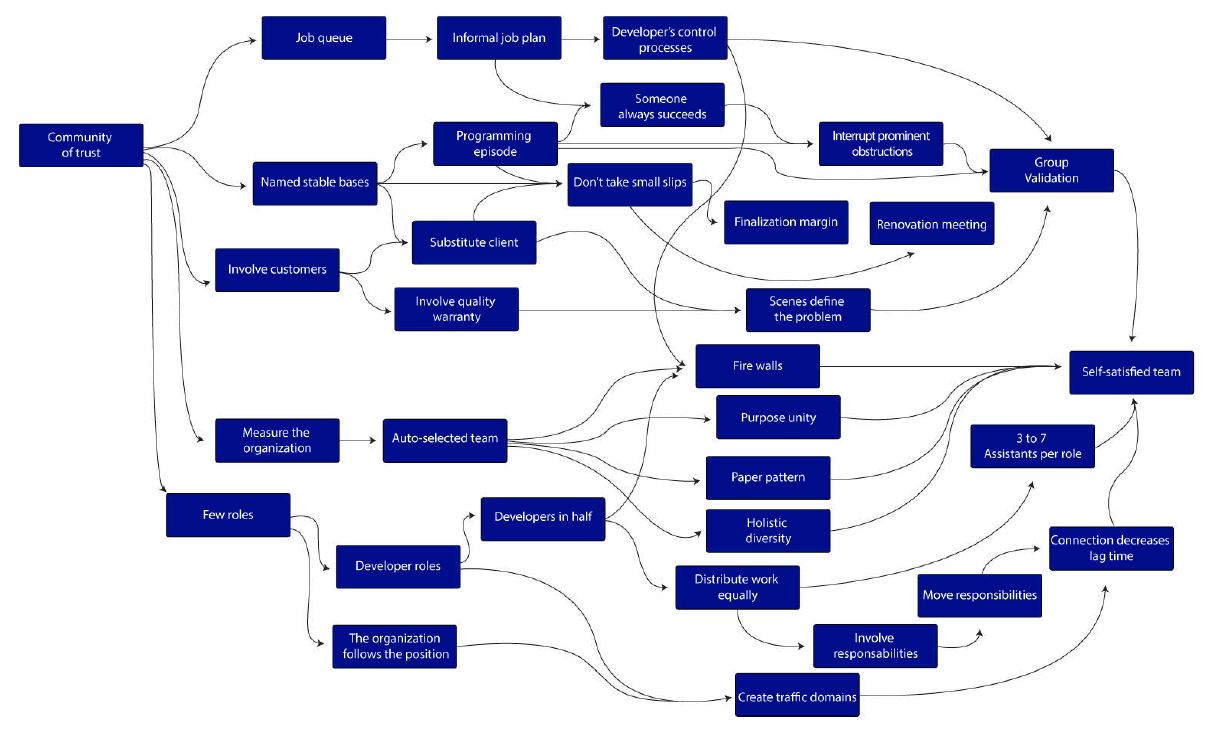
Source: http://scrumbook.org
Última modificación: viernes, 20 de agosto de 2021, 06:26