
Página
Topic 4.1 - Scrum Events
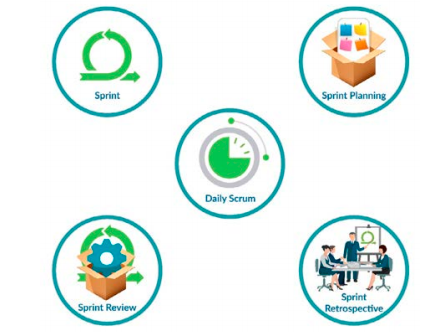
Scrum EventsEventos Scrum
● The Sprints
● Sprint Planning
● Daily Scrum
● Sprint Review
● Sprint Retrospective

The Sprint
The Sprint is a container for all events.
Scrum Events
Every event in Scrum is a formal opportunity to inspect and adapt Scrum artifacts.
These events are specifically designed to enable the transparency required.
Failure to operate any events as prescribed results in lost opportunities to inspect and adapt.
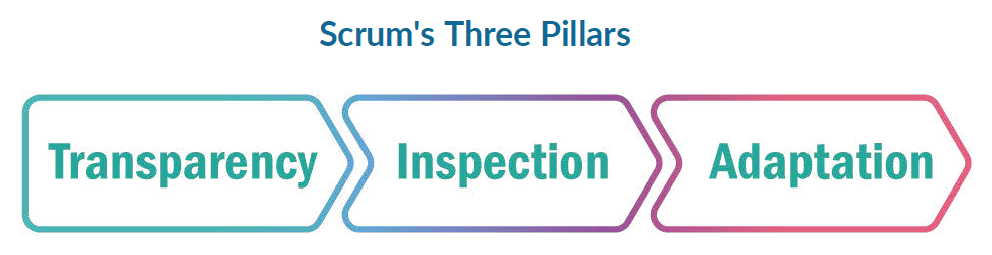
Events are used in Scrum to create regularity and minimize the need for meetings not defined in Scrum.
All events are held at the same time and place to reduce complexity.
The Sprint
Sprints are the heartbeat of Scrum, where ideas are turned into value.
They are fixed length events of one month or less to create consistency.

A new Sprint starts immediately after the conclusion of the previous Sprint.

All the work necessary to achieve the Product Goal, including Sprint Planning, Daily Scrums, Sprint Review, and Sprint Retrospective, happen within Sprints.
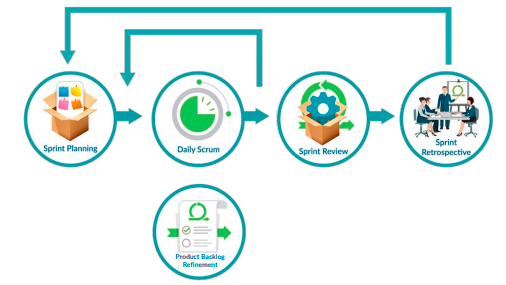
During the Sprint:
● No changes are made that would endanger the Sprint Goal
● Quality does not decrease
● The Product Backlog is refined as needed
● Scope may be clarified and renegotiated with the Product Owner as more is learned
Sprints enable predictability by ensuring the inspection and adaptation of progress towards a Product Goal at least every calendar month.
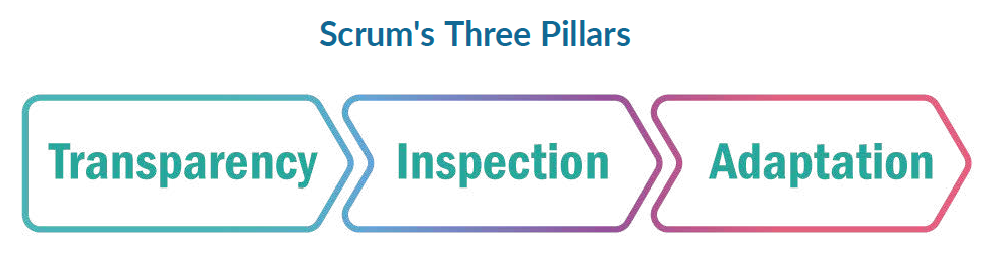
When a Sprint’s horizon is too long, the Sprint Goal may become invalid, complexity may rise, and risk may increase.
Shorter Sprints can be employed to generate more learning cycles and limit risk of cost and effort to a smaller time frame.
Each Sprint may be considered a short project.
Various practices exist to forecast progress, like burn-downs, burn-ups, or cumulative flows.
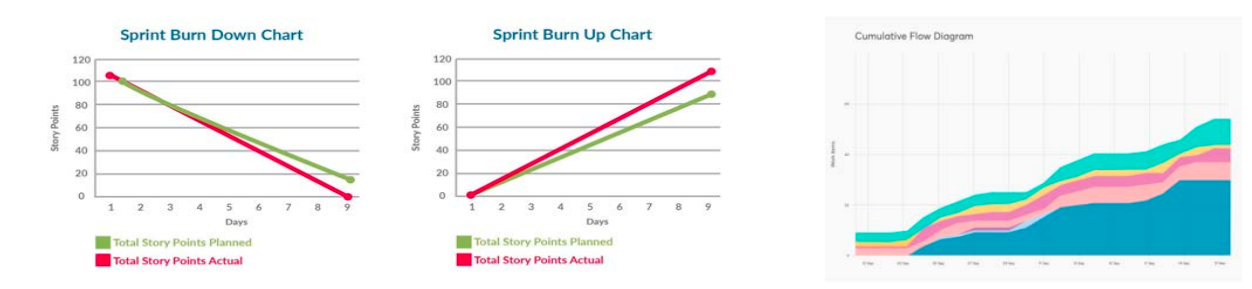
While proven useful, these do not replace the importance of empiricism. In complex environments, what will happen is unknown. Only what has already happened may be used for forward-looking decision making.
A Sprint could be cancelled if the Sprint Goal becomes obsolete.
Only the Product Owner has the authority to cancel the Sprint.

Última modificación: miércoles, 18 de agosto de 2021, 23:46